Valmiki Tiger Reserve Explained: Location, Wildlife & Tourism
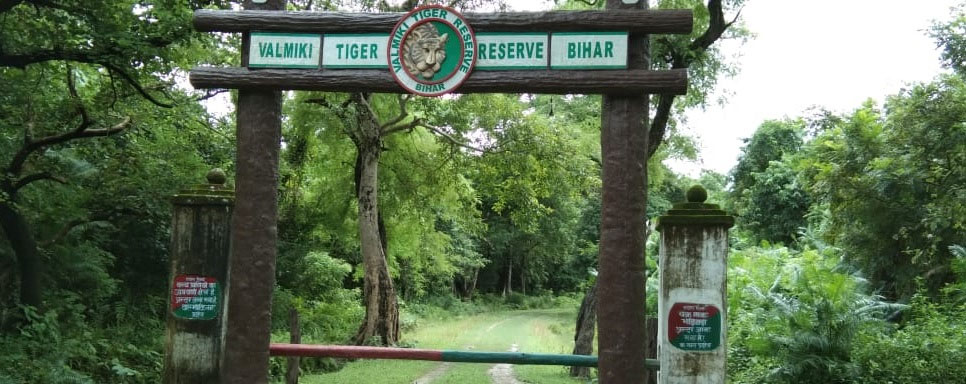
Valmiki Tiger Reserve is one of the most important wildlife destinations in eastern India. Located in the state of Bihar, this reserve is known for its dense forests, rich biodiversity, and growing tiger population. It is also the only tiger reserve in Bihar, making it a unique and valuable conservation area. For nature lovers and wildlife travellers, Valmiki offers a raw and peaceful jungle experience away from crowded parks.
Location of Valmiki Tiger Reserve
Valmiki Tiger Reserve is situated in the West Champaran district of Bihar, close to the India–Nepal border. It lies in the foothills of the Shivalik range and forms part of the larger Valmiki Nagar forest region. The reserve is connected with Nepal’s Chitwan National Park through forest corridors, helping animals move freely between the two protected areas.
The nearest town is Valmiki Nagar, which serves as the main entry point for tourists. Bettiah is the closest major city, while Gorakhpur in Uttar Pradesh is the nearest large railway junction. The Gandak River flows near the reserve, adding to the scenic beauty of the landscape. The location makes Valmiki Tiger Reserve an important ecological link between northern India and Nepal’s forest zones.
Forest Landscape and Climate
Valmiki Tiger Reserve covers a large area of thick sal forests, grasslands, riverine forests, and hilly terrain. The forest is dense and largely untouched, giving it a truly wild character. Compared to many central Indian parks, Valmiki feels more natural and less commercial.
The climate remains hot during the summer months, with temperatures rising above 40°C. Winters are pleasant and ideal for safaris. The monsoon season brings heavy rainfall, and the tiger reserve usually remains closed during this period for safety and conservation purposes.
Wildlife in Valmiki Tiger Reserve
The reserve is best known for its Bengal tigers. Over the years, conservation efforts have helped increase the tiger population, making Valmiki an emerging tiger habitat in eastern India. Though sightings may not be as frequent as in famous parks like Ranthambore or Bandhavgarh, the chances are improving every year. Apart from tigers, the forest is home to leopards, sloth bears, Indian bison (gaur), wild dogs, wild boars, and various species of deer such as sambar and chital. The grasslands also support nilgai and smaller mammals.
Valmiki Tiger Reserve is rich in birdlife as well. You can spot hornbills, peafowls, eagles, vultures, woodpeckers, and migratory birds during the winter months, making it suitable for a Bird watching tour india experience. Reptiles such as pythons, monitor lizards, and different snake species are also found in the forest. The Gandak River supports aquatic life, including crocodiles and turtles.
Tourism in Valmiki Tiger Reserve
Tourism in Valmiki Tiger Reserve is slowly developing, with a focus on eco-tourism and responsible travel. Jungle safaris are the main attraction for visitors. Safaris are conducted in forest-approved vehicles with trained guides and drivers. Morning and evening safari slots are usually available, depending on forest rules.
The reserve is divided into tourism zones where visitors are allowed to explore under supervision. Safari routes pass through sal forests, open grasslands, and river patches, giving tourists a chance to observe wildlife in natural surroundings.
Apart from jeep safaris, the area also offers opportunities for nature walks, photography, and guided forest activities. The calm environment makes it suitable for travellers who enjoy quiet forest experiences rather than busy tourist hubs. Visitors are advised to complete their Valmiki Tiger Reserve Booking in advance to avoid last-minute issues during peak season.
Best Time to Visit
The best time to visit Valmiki Tiger Reserve is from October to March. During this period, the weather remains comfortable, and animal movement is higher. Winter months are also ideal for birdwatching.
Summer months from April to June can be good for wildlife sightings as animals come out in search of water, but the heat can be intense. The park generally remains closed during the monsoon season due to heavy rains and forest safety regulations.
Importance of Conservation
Valmiki Tiger Reserve plays a major role in protecting the fragile forest ecosystem of north Bihar. It supports not only tigers but also many endangered and threatened species. The reserve also provides livelihood opportunities to local communities through tourism and forest-based activities.
By maintaining forest corridors with Nepal’s protected areas, Valmiki helps preserve genetic diversity among wildlife populations. Continued conservation efforts are essential to protect this region from deforestation, poaching, and human-wildlife conflict.
Why Visit Valmiki Tiger Reserve
Valmiki Tiger Reserve is perfect for tourists looking for an offbeat wildlife destination. It offers dense forests, rich wildlife, and a peaceful jungle atmosphere. Unlike heavily crowded national parks, Valmiki provides a more natural and less commercial safari experience.
For wildlife lovers, photographers, and nature seekers, Valmiki Tiger Reserve is a hidden gem in eastern India. As tourism grows responsibly, it is expected to become one of Bihar’s most important eco-tourism destinations in the coming years.